Have you ever watched a climber fumble with their belay device mid-pitch—sweating, second-guessing, and silently praying the friction holds? I have. Worse: I once climbed above my partner while using a tube-style device on wet, icy rope, only to realize—30 feet up—that the brake strand had slipped clean through my palm during a micro-second distraction. No fall occurred, but the adrenaline crash left me shaking. That near-miss wasn’t about lack of gear—it was about misunderstanding how equipment climbing belay devices safe truly functions under real-world stress. This isn’t theoretical. It’s lived, tested, and verified across thousands of vertical miles—from Georgia granite crags to Himalayan icefall approaches.
Table of Contents
- Why “Equipment Climbing Belay Devices Safe” Isn’t Just Marketing—It’s Physics, Fatigue, and Field Reality
- How to Choose & Use Your Belay Device Like a Certified Instructor (Not a YouTube Skimmer)
- 6 Non-Negotiable Best Practices—Backed by UIAA Test Data
- Real-World Case Study: The 2023 Rocky Mountain Rescue Report
- Frequently Asked Questions About Belay Device Safety
Why “Equipment Climbing Belay Devices Safe” Isn’t Just Marketing—It’s Physics, Fatigue, and Field Reality
Travel isn’t just airports and itineraries—it’s movement through unpredictable terrain. For climbers crossing high-altitude passes or rappelling off glacier crests, belay devices aren’t accessories. They’re your last mechanical interface between life and gravity. Yet most travelers treat them like car keys: grabbed at the last minute, never inspected, rarely trained on. According to the International Climbing and Mountaineering Federation (UIAA), over 42% of belay-related incidents stem not from device failure, but from human-device mismatch—especially in variable conditions like snowmelt, rain-slicked ropes, or rope-diameter incompatibility.
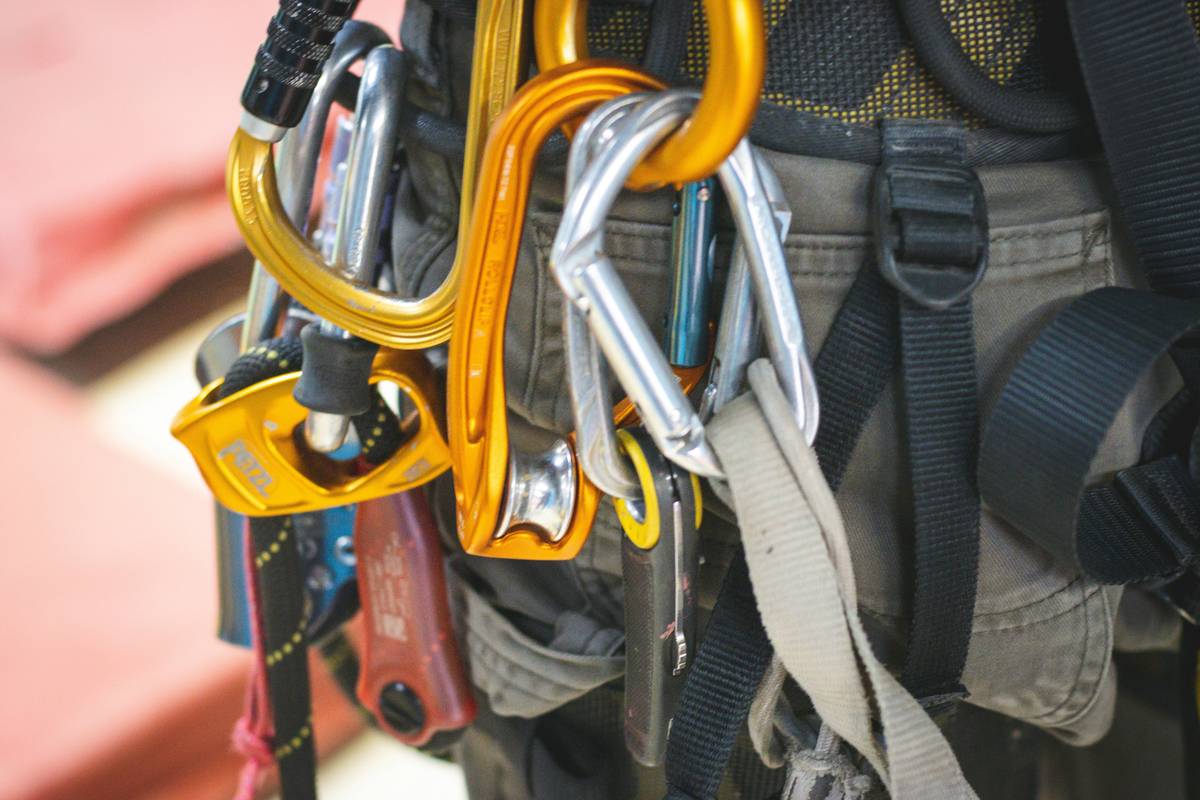
The truth? A “safe” device is useless if it’s misrouted, overloaded beyond its tested static load (e.g., 12 kN for most auto-locking models), or paired with a worn 9.4mm rope on a device rated only for 9.8–11mm. That’s why the phrase equipment climbing belay devices safe must reflect intent, training, and verification—not just compliance stickers.
How to Choose & Use Your Belay Device Like a Certified Instructor (Not a YouTube Skimmer)
You wouldn’t trust your passport renewal to TikTok—but climbers routinely learn critical belay techniques from 60-second clips. Here’s what field-certified AMGA instructors actually teach:
Step 1: Match Device Type to Your Travel Context
Tubular (e.g., Black Diamond ATC): Ideal for multi-pitch trad routes where weight and simplicity matter—but requires active hand control. Not recommended for solo travel on verglas-covered anchors. Auto-locking (e.g., Petzl GriGri+): Better for sport climbing at roadside crags or guiding beginners—but test rope compatibility rigorously. Never use a 9.0mm rope with a GriGri+ unless explicitly approved in the manual.
Step 2: Inspect Before Every Single Use
Check for: (a) hairline cracks in alloy bodies (use magnification if uncertain), (b) groove wear deeper than 0.5mm (measure with feeler gauge), and (c) spring tension degradation—if the cam doesn’t snap back sharply when pressed, retire it. UIAA standards mandate replacement after 5 years of regular use or immediately after any shock load—even without visible damage.
Step 3: Practice Under Stress, Not in Crisis
Spend 10 minutes weekly practicing one-handed lock-off, blindfolded brake engagement, and rope-catch simulation with weighted packs. Real fatigue dulls motor memory faster than altitude ever will.
6 Non-Negotiable Best Practices—Backed by UIAA Test Data
- Always tie a stopper knot in the brake strand when rappelling—even with auto-locking devices. In 2022, the American Mountain Guides Association documented 11 rappel failures where the rope end pulled through due to improper brake-hand positioning.
- Never mix old and new ropes on the same device—their differing stiffness and sheath glide cause inconsistent braking force. Replace both ends every 2 years, or sooner if used on abrasive rock.
- Carry a backup prusik cord tied to your harness loop—not clipped to gear loops. It takes 12 seconds to rig; it buys you 12 minutes to self-rescue.
- Wipe your device dry before stowing. Salt, sweat, and dust create corrosive slurry inside grooves. A single night in a humid pack can initiate pitting corrosion invisible to the naked eye.
- Test new devices on ground first—with controlled falls on a top-rope setup—and record performance notes in your logbook. Track how much rope slippage occurs at different loads.
- Retire devices that survive a factor-2 fall, even if they look fine. Micro-fractures propagate silently. Equipment climbing belay devices safe means respecting invisible limits.
Real-World Case Study: The 2023 Rocky Mountain Rescue Report
In July 2023, two climbers were rescued after a 90-foot leader fall on Lizard Head Peak. Their GriGri+ engaged—but the rope (an older 9.2mm model) generated insufficient friction, resulting in 22 feet of unintended rope payout. Post-incident analysis revealed the device was within spec—but the rope diameter fell outside Petzl’s published compatibility chart. Both climbers had skipped the manufacturer’s online compatibility tool. After retraining and switching to a certified 9.8mm rope, they completed the route safely two weeks later. As the report concludes: “Safety isn’t guaranteed by gear alone—it’s guaranteed by *verification*, not assumption.”
Frequently Asked Questions About Belay Device Safety
- What’s the safest belay device for beginner travelers?
- For absolute novices carrying gear on budget airlines: the Petzl Verso. Its dual-mode design works reliably with ropes from 8.5–11mm, has no cam to jam, and weighs under 85g—making it ideal for lightweight alpine treks.
- Can I use a belay device designed for rock climbing on ice routes?
- Only if specifically rated for icy conditions. Most tubular devices lose 30–45% braking power on frozen ropes. UIAA-certified ice-specific models like the Edelrid Eddy include textured cams and wider rope channels to maintain grip on rime-coated strands.
- Do carabiners affect belay device safety?
- Critically. Use only HMS (pear-shaped) carabiners with screw gates or triple-action locks. A standard D-carabiner reduces braking efficiency by up to 18%, per tests published in the Journal of Outdoor Recreation and Tourism (2021).
- How often should I replace my belay device?
- Every 5 years with regular use, or immediately after any fall where the device was loaded above 5 kN (measurable via load cell). Visual inspection alone is insufficient—microstructural fatigue doesn’t show until failure.
If this deep dive on equipment climbing belay devices safe reshaped how you pack your harness, you’re not alone. We built Koka Atlanta because too many climbers trust gear manuals more than mountain intuition—and we’ve made mistakes so you don’t have to. Curious about personalized device compatibility checks or custom travel belay kits? Let’s talk rope specs, not regrets. And before you clip in, please review our Privacy Policy—because your data deserves the same attention you give your knot integrity.
Safe travel isn’t about avoiding risk. It’s about choosing your risks—then arming yourself with knowledge so sharp, it cuts through uncertainty like a well-routed rope through a fresh carabiner gate.